


It’s about time we talked about internships, especially in Africa.
In many organizations, internships are still approached with the wrong mindset. They are treated as goodwill gestures, corporate generosity, or temporary arrangements to “help students gain experience.” While the intention may be positive, the framing is flawed. Internships are not favors extended to young people. They are strategic investments that shape the future of an organization’s workforce, reputation, and competitive advantage.
When companies shift from seeing interns as beneficiaries to viewing them as early-stage talent assets, the entire dynamic changes. The internship program moves from being administrative to being strategic. And that shift makes all the difference.
The Dangerous Myth of Corporate Charity
The idea that internships are a form of corporate charity subtly undermines their value. When organizations believe they are “doing students a favor,” internships often lack structure, measurable outcomes, or intentional development plans. Interns are assigned routine tasks, excluded from meaningful projects, and left without clear performance expectations. This approach diminishes both the intern and the organization. Students leave without real growth, and companies miss the opportunity to identify, shape, and secure future high performers. What could have been a talent development pipeline becomes a short-term arrangement with little long-term return.
Strategic organizations understand that internships are not about generosity but foresight.

Building a Sustainable Talent Pipeline
One of the most powerful advantages of a structured internship program is early talent identification. Let’s be honest, recruitment is expensive, hiring mistakes are costly and cultural misfits disrupt teams. Internships provide organizations with a low-risk, high-insight opportunity to assess potential employees in real work environments before making long-term commitments.
Through internships, companies observe work ethic, adaptability, communication skills, and cultural alignment firsthand. Rather than relying solely on interviews and CVs, organizations build familiarity and confidence in future hires.
In competitive industries, the companies that consistently attract and retain top talent are those that start building relationships early often while students are still in school.

Strengthening Employer Brand at the Grassroots
Today’s students are tomorrow’s workforce influencers. They share experiences on social media, within academic networks, and among peers. A meaningful internship experience becomes organic employer branding. A poor one becomes silent reputational damage. Organizations that invest in structured mentorship, real project exposure, and professional development create ambassadors long before formal employment begins. These ambassadors influence how institutions, faculty, and student communities perceive a company.
Employer branding does not begin when you post a vacancy. It begins when a young professional first walks through your doors as an intern.
Unlocking Innovation Through Fresh Perspective
Interns bring more than enthusiasm, they bring perspective. They question processes long accepted as “normal.” They introduce new digital tools, trends, and academic insights. They are often closer to emerging technologies and contemporary thinking patterns.
Organizations that actively engage interns in real projects benefit from this fresh lens. Innovation does not always require massive budgets or restructuring. Sometimes, it begins with listening to the curious questions of someone new to the system. When interns are empowered to contribute meaningfully, organizations gain more than temporary assistance. They gain insight.

Developing Leaders Through Mentorship
Internship programs do not only develop students; they also strengthen internal leadership capacity. Supervisors who mentor interns sharpen their coaching, delegation, and communication skills. They become more intentional about knowledge transfer and performance evaluation. Leadership is not developed in theory. It is refined through responsibility. Managing interns requires clarity, patience, and structure, qualities that elevate managers into stronger leaders.
In this way, internships contribute to internal leadership development as much as they contribute to student growth.
The Cost of a Poorly Designed Internship
The absence of structure, accountability, and mentorship carries consequences. Interns who feel undervalued or underutilized leave disengaged. Word spreads. Universities take note. Potential future candidates become hesitant. In an era where employer reputation influences recruitment success, poorly executed internship programs quietly weaken organizational positioning. The short-term savings of neglecting structure can result in long-term talent acquisition challenges.
Organizations must recognize that every intern experience is a brand touchpoint.

What Strategic Internships Require
If internships are truly investments, they must be designed intentionally. Strategic programs include clear learning objectives aligned with business goals. They assign accountable supervisors who understand their mentorship role. They provide interns with real responsibilities tied to measurable outcomes. They incorporate structured feedback and evaluation processes. Most importantly, they treat interns as emerging professionals, not temporary assistants.
The difference between a transactional internship and a transformational one lies in deliberate design.
A Necessary Shift for African Organizations
Across Africa, particularly within rapidly growing economies, there is an urgent need to align education with industry. Internships sit at the center of that bridge. They are practical platforms for translating theory into application and potential into performance. Organizations that understand this shift will lead the future of workforce development. Those that continue to treat internships as optional or charitable will struggle to secure top talent in an increasingly competitive environment. The question is no longer whether internships are beneficial to students. That is clear.
The real question is whether organizations are prepared to leverage internships as strategic tools for long-term growth.

Final Reflection
Internships are not favors extended to students seeking opportunity. They are calculated investments in talent pipelines, employer reputation, leadership development, and innovation. Organizations that treat internships strategically do more than support young professionals, they secure their own future.
The companies that win tomorrow’s talent war are not waiting until graduation.
They are investing early.
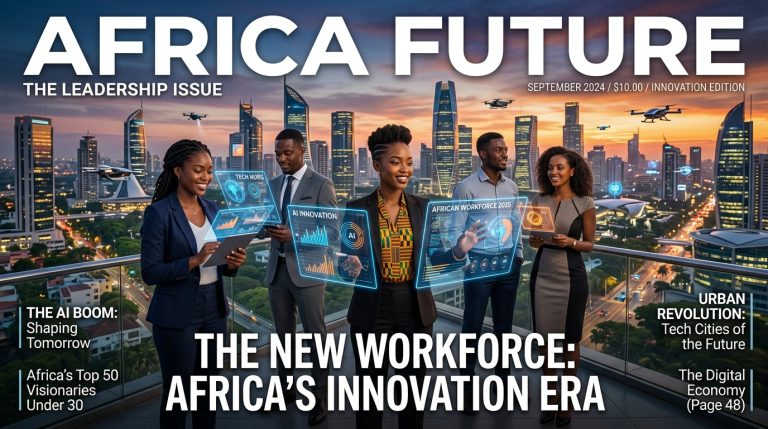
Happy Thursday everyone! Today, we are talking about how company’s treat internships. We hope you have a great read. Please don’t forget to leave a comment