Introduction
Employee retention is no longer just an HR metric. It’s a business survival strategy. In 2026, organizations are facing increased competition for talent, shifting employee expectations, and rising turnover costs.
For companies in Ghana and across Africa, retaining top talent is critical to maintaining productivity, protecting institutional knowledge, and driving long-term growth.
So, how do you build a retention strategy that actually works?

1. Understand Why Employees Leave
Before you fix retention, you need to diagnose the problem.
Common reasons employees leave include:
- Lack of career growth opportunities
- Poor management or leadership
- Uncompetitive compensation
- Work-life imbalance
- Lack of recognition
Action Tip:
Conduct stay interviews and anonymous surveys regularly not just exit interviews. The goal is to solve problems before employees resign.

2. Build a Strong Employee Value Proposition (EVP)
Your Employee Value Proposition defines why people should stay with your organization.
A compelling EVP goes beyond salary. It includes:
- Career development opportunities
- Workplace culture
- Flexibility and work-life balance
- Benefits and recognition
Action Tip:
Clearly communicate your EVP across internal channels and align it with your employer branding.

3. Invest in Career Growth and Learning
One of the biggest drivers of turnover is stagnation.
Employees want:
- Clear career paths
- Upskilling opportunities
- Mentorship and coaching
Action Tip:
Create structured learning programs and internal mobility pathways. Employees are more likely to stay when they see a future within your organization.

4. Strengthen Leadership and Management Quality
People don’t leave companies. They leave managers.
Poor leadership leads to:
- Low morale
- Disengagement
- High attrition
Action Tip:
Train managers in emotional intelligence, communication, and performance management. Strong leadership directly impacts retention.

5. Offer Competitive and Transparent Compensation
Compensation remains a key retention driver.
But in 2026, it’s not just about pay. It’s about fairness and transparency.
Action Tip:
Regularly benchmark salaries against industry standards and clearly communicate compensation structures to employees.
6. Prioritize Employee Engagement and Recognition
Employees who feel valued are more likely to stay.
Effective engagement strategies include:
- Recognition programs
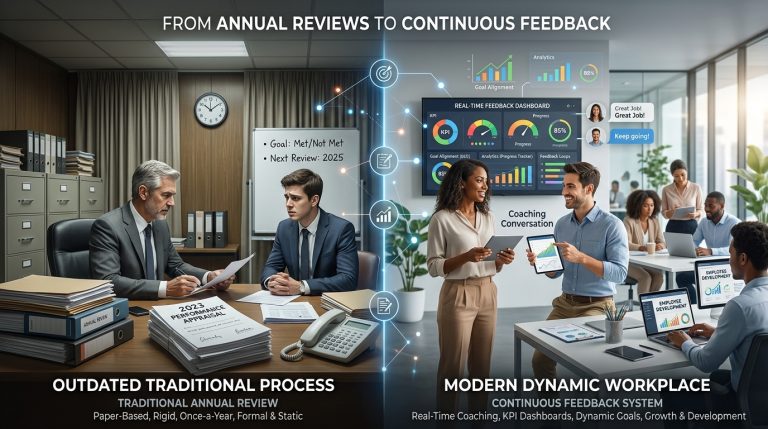
- Feedback culture
- Inclusive workplace initiatives
Action Tip:
Implement monthly or quarterly recognition systems that celebrate performance and contributions.

7. Embrace Flexible Work Models
The modern workforce values flexibility more than ever.
Options to consider:
- Hybrid work
- Flexible hours
- Remote roles (where possible)
Action Tip:
Even in roles that require physical presence, introduce flexibility where possible to improve satisfaction.

8. Use HR Data and Analytics
Retention strategies should be data-driven, not guesswork.
Track metrics such as:
- Turnover rate
- Employee engagement scores
- Time-to-exit trends
Action Tip:
Use HR analytics to identify at-risk employees and intervene early.
Conclusion
Building an effective employee retention strategy in 2026 requires a proactive, people-centered approach. Organizations that invest in their employees’ growth, well-being, and experience will not only reduce turnover but also gain a competitive advantage.
Retention is no longer optional. It’s strategic.
At SBP Africa, we help organizations design and implement HR strategies that attract, engage, and retain top talent.
Need help improving your employee retention?
Contact us today to build a workforce that stays and thrives