
The start of a new year offers more than just fresh calendars and ambitious resolutions, it presents a powerful opportunity for businesses to pause, reflect, and reset. As organizations step into 2026, one truth is glaring: sustainable growth is impossible without intentional investment in people.
The past year revealed both the resilience and fragility of today’s workforce. From persistent skills gaps and employee burnout to talent shortages and evolving work models, businesses were forced to adapt quickly often reactively. While some organizations navigated these challenges successfully, others struggled, not because they lacked talent, but because they lacked the right people strategy. In an era where discourses are rising regarding employee wellbeing and workplace culture, this blog series is timely for every organization wanting to put its people strategy up there.
In the next couple of weeks, 3 beautiful and helpful blogs will come your way starting with this particular one on the lessons that must be held close this year. Later, two other ones on ‘Why January Is the Best Time to Rethink Your People Strategy’ and ‘Turning People Plans Into Performance: A Practical Guide for Business Leaders’ will come your way
Let us begin with our first lesson. Shall we?
1. Talent without Strategy Is a Risk, Not an Asset
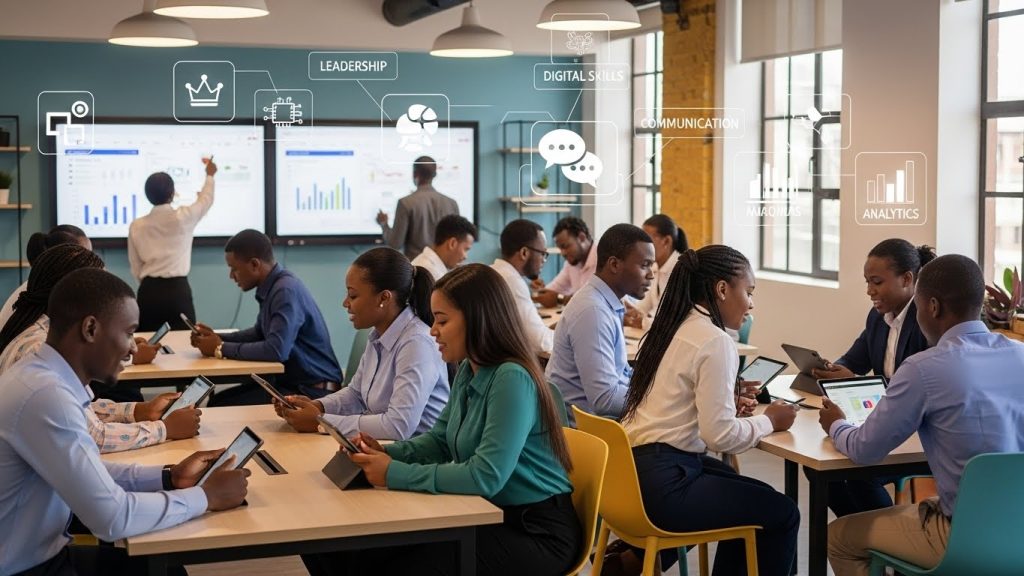
Many organizations entered the year with talented teams but no clear workforce roadmap. Hiring was often driven by urgency rather than alignment with long-term business goals. The result? Skill mismatches, duplicated roles, and overstretched teams. Some workers even have overlapped roles leaving them confused as to who is to do what. This is as a result of a reactive rather than a proactive HR. In this age and time, technology has made it easier to hire appropriate talents and even foresee future resignations which now makes it easy for early preparations towards hiring and filling roles.
The lesson is simple: talent alone is not enough. Businesses must move beyond filling roles and begin building teams intentionally ensuring every hire, role, and skill directly supports growth objectives.

2. Employee Wellbeing Is a Business Priority, not a “Nice-to-Have”
Burnout became one of the most talked-about workplace challenges last year. Heavy workloads, unclear expectations, and limited support systems took a toll on productivity and morale. In effect, many discourses rose last year and honestly, employers are beginning to get the memo and gradually, they are understanding that their workers are their biggest competitive advantage. This conversation about treating workers well and supporting their wellbeing used to be one only talked about when colleagues grab lunch or when walking home from work but now, strategies are intentionally put in place by employers to ensure the holistic wellbeing of workers and oh What a time it is to be alive!
Now, forward-thinking organizations are learning that employee wellbeing directly impacts performance, retention, and employer brand. In 2026, businesses that prioritize mental, emotional, and professional wellbeing will not only retain top talent but will outperform competitors who do not.

3. Skills Gaps Will Continue to Widen Without Proactive Action
In our ‘End of the Year series for 2025, we spoke extensively about bridging the skills gap in order to build workforces that are future ready. It was our last but one series for 2025. Kindly check it out if you’re yet to. Rapid technological advancement and changing market demands have reshaped the skills businesses need. Yet many organizations waited until gaps became critical before responding. But the truth is, organizations that focus solely on hiring for existing skills risk falling behind, while those that invest in continuous learning and development create a workforce that can evolve alongside their business.
The key lesson? Upskilling and reskilling must be ongoing, not reactive. Businesses that invest early in talent development, workforce planning, and strategic partnerships are better positioned to remain competitive in a fast-changing environment.
4. HR Must Evolve from Administrative to Strategic
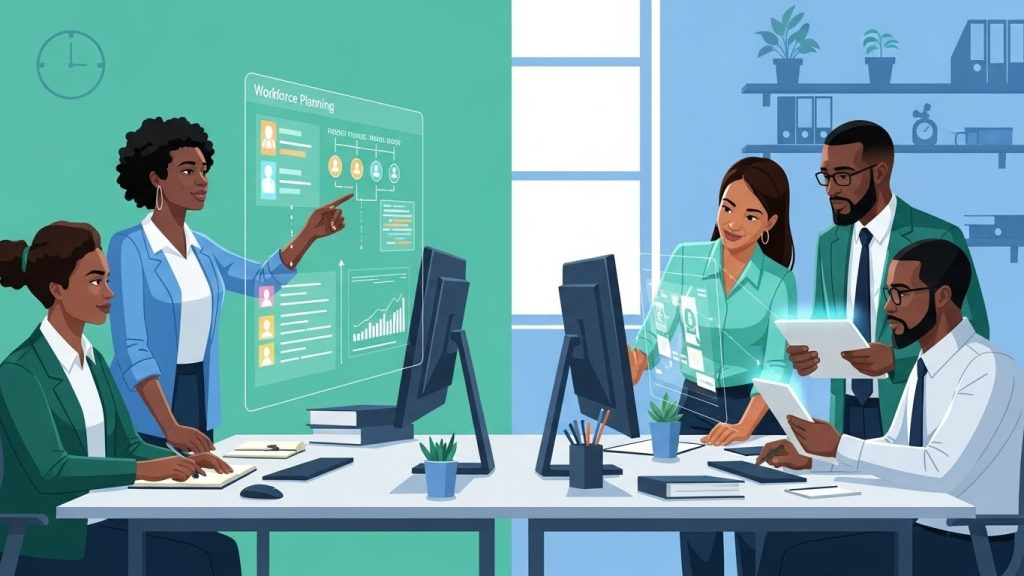
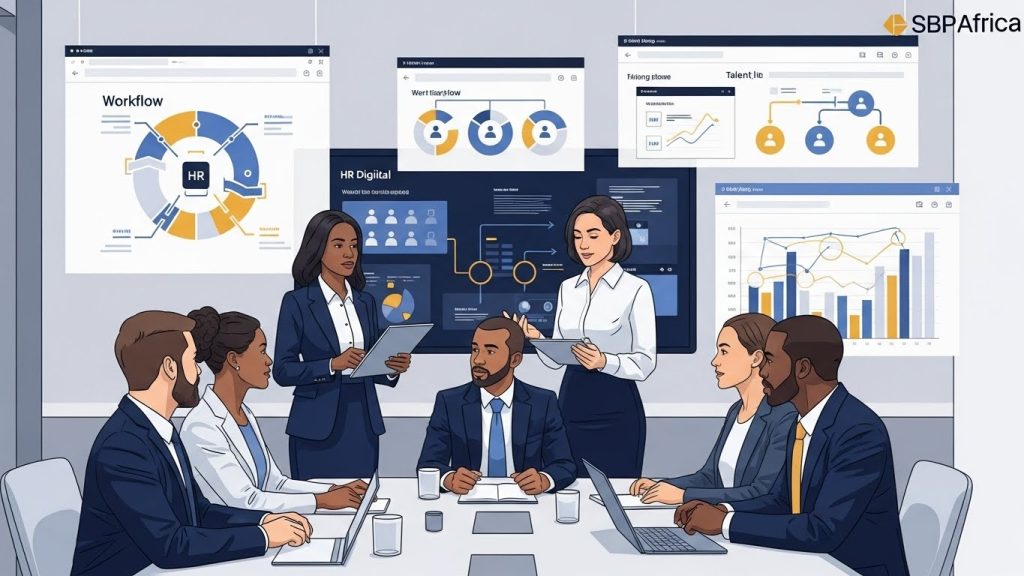
This is no new point but was necessary to add. Traditional HR models focused heavily on administration, payroll, contracts, and compliance. While these functions remain essential, they are no longer sufficient on their own. In 2026, HR must sit at the heart of business strategy, driving workforce planning, performance management, talent development, and organizational culture. Companies that embrace strategic HR approaches, including outsourcing where necessary, gain the agility and expertise needed to scale effectively. Also, it is about time, organizations started looking for external strategic partners like SBP Africa to help with all your HR functions.
By now, it is clear that growth requires the right support systems. If there’s one most important lessons from the past year is that growth cannot be sustained by internal teams alone. Even the most capable HR managers can become overwhelmed when juggling recruitment, payroll, compliance, performance management, and employee engagement simultaneously. Businesses that leveraged external expertise through HR outsourcing, recruitment support, and people advisory services were better equipped to focus on what truly matters: growth, innovation, and leadership.
Resetting With Intention
Finally, resetting for growth in 2026 is not about doing more. it’s about doing better. It requires honest reflection, strategic planning, and a willingness to rethink how people are managed, supported, and developed. As organizations prepare for the year ahead, the most successful ones will be those that place people at the center of their growth strategy supported by the right structures, systems, and partnerships.
At SBP Africa, we believe that future-ready businesses are built on intentional people strategies. As this New Year unfolds, the question for business leaders is no longer “Do we need to rethink our workforce approach?” but “How soon can we start?” and of course, the answer is glaring. Talk to SBP Africa today and let’s help you with your workforce growth.
Happy New Year everyone. May the year ahead favor us!