
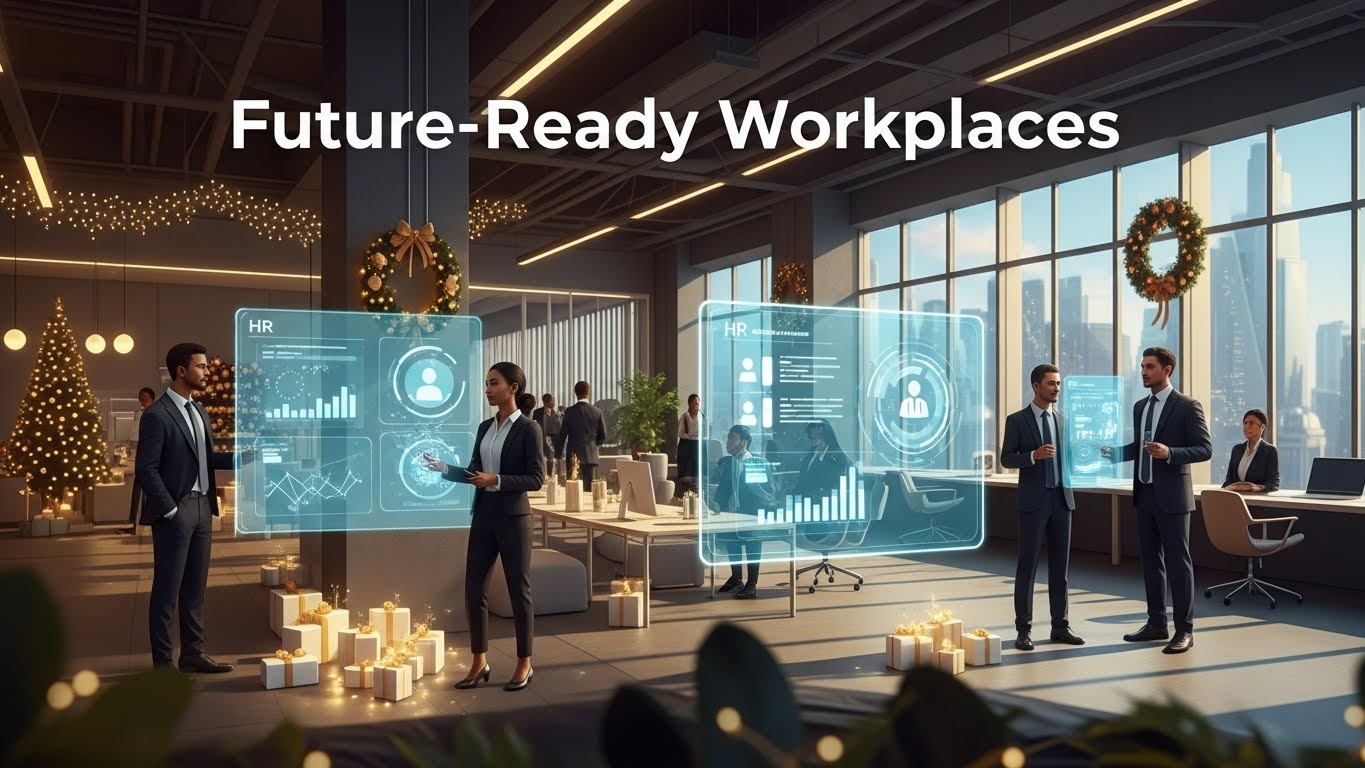

Understanding the Skills Gap
Let’s continue our end-of-year blog series by exploring practical ways to bridge the skills gap that is increasingly evident across today’s workplaces. Shall we?
As businesses prepare for the year ahead, one of the most urgent and complex challenges they continue to face is the widening skills gap, driven by rapid technological advancements, constantly evolving job roles, and shifting industry demands that are redefining how work is done across sectors. Increasingly, the skills employers need to remain productive, innovative, and competitive are not readily available within the existing workforce, creating gaps that affect performance, slow growth, and limit an organization’s ability to adapt to change. This reality is forcing businesses to rethink traditional approaches to talent attraction, development, and retention, placing greater emphasis on continuous learning, upskilling, and building future-ready capabilities. Bridging the skills gap is no longer optional but a strategic priority for organizations that want to thrive in a fast-changing world of work, especially as 2026 approaches with even greater transformation, presenting both heightened challenges and expanded opportunities for professionals to level up, reskill, and align their expertise with emerging industry needs.

Why Skills Matter More Than Ever
By now, it has become increasingly clear that in today’s rapidly evolving workplace, traditional qualifications on their own are no longer sufficient to meet the demands of modern organizations. Employers are placing growing emphasis on practical, transferable skills, adaptability, and a genuine willingness to learn and grow, recognizing that these attributes are essential in an environment shaped by constant change. Skills such as digital literacy, critical thinking, problem-solving, effective communication, and leadership are now just as valuable, if not more so than technical expertise alone. Organizations that focus solely on hiring candidates based on existing credentials and static skill sets risk falling behind in an increasingly competitive landscape, while those that actively invest in continuous learning, upskilling, and professional development are better positioned to build a workforce that can evolve alongside their business goals. By embracing skills-based hiring and nurturing internal talent, companies strengthen their resilience, drive sustainable growth, and reinforce the understanding that the most valuable and enduring investment any thriving business can make is in its people.

Upskilling, Reskilling, and Talent Development
Bridging the skills gap requires a deliberate, forward-thinking approach that places strong emphasis on both upskilling and reskilling the workforce. Upskilling focuses on equipping employees with enhanced and more advanced capabilities that enable them to perform more effectively and confidently in their current roles, while reskilling prepares individuals to transition into new responsibilities as job functions evolve or entirely new roles emerge. To achieve this, organizations must invest in well-structured training programs, mentorship initiatives, internships, and clearly defined learning pathways that support continuous development and knowledge transfer. When employees feel genuinely supported in their professional growth and see clear opportunities to expand their skill sets, engagement levels rise, loyalty strengthens, and retention improves. In turn, businesses benefit from a more capable, adaptable, and motivated workforce that is better prepared to meet both present demands and future challenges.
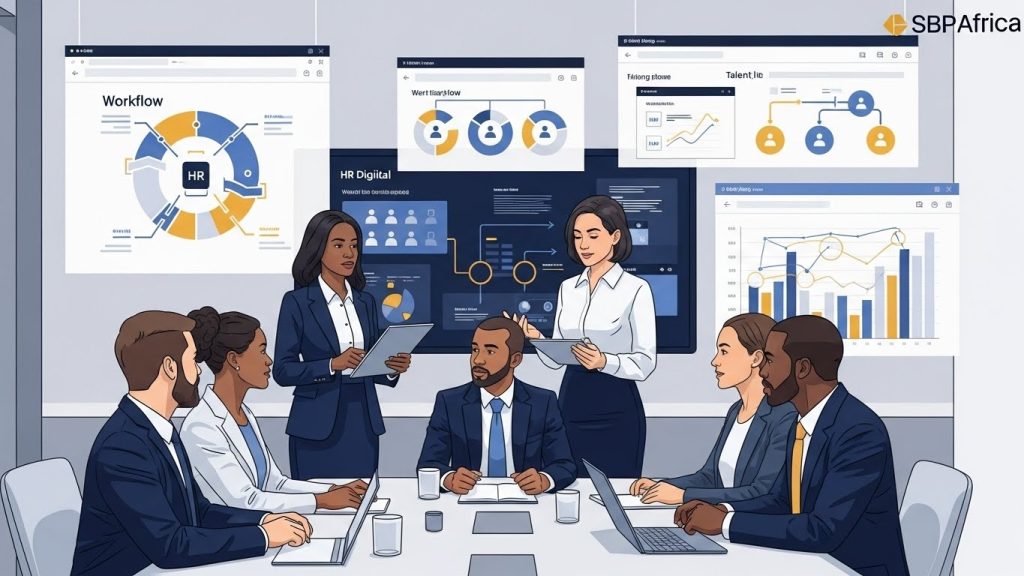
How SBP Africa Helps Close the Skills Gap
At SBP Africa, we work closely with organizations to identify skills gaps and implement targeted talent solutions. Through our training programs, career fairs, and partnerships with educational institutions, we connect businesses with skilled and emerging talent ready to contribute from day one. We support skills-based recruitment, ensuring organizations hire for capability and potential rather than credentials alone. Our workforce development initiatives help businesses design learning pathways that align employee growth with organizational goals, creating a sustainable pipeline of future-ready talent. Every modern business needs a strategic business partner like SBP Africa to help it thrive.
Closing the skills gap is an investment in the future of both people and organizations. Businesses that prioritize learning, development, and talent alignment are better prepared to navigate change and seize new opportunities. As part of our “Close of 2025” series, SBP Africa remains committed to helping organizations build a workforce that is skilled, adaptable, and ready for 2026 and beyond. By working together, we can turn today’s skills challenges into tomorrow’s competitive advantage. Talk to us TODAY about how we can assist you.
Hello everyone, welcome back to our end of year series. I am glad you stooped by. Kindly leave your thoughts and comments.
Talk to SBP Africa today about how we can assist your organization thrive.