


If there’s one thing that stands at the core of every thriving organization, it’s the PEOPLE.
People with hopes, fears, ambitions, insecurities, pressure, dreams, and responsibilities that follow them everywhere they go. And at the center of all these human experiences sits one key function: Human Resources. Over the years, HR has been described in many ways; administrators, compliance officers, recruiters, policy enforcers, “the people who hire and fire” etc. but the truth is this: the real power of HR is not in paperwork, or processes, or procedures. The real power of HR is in how it makes people feel. This is the heart of people leadership today, and it is the difference between a workplace that merely functions and one that truly thrives.

People Don’t Always Remember the Policy but They Always Remember the Experience
How many employees remember even up to 30% of what is written in their company’s handbook? It is prove of the “feeling nature of human beings”. People rarely remember the documented policies, but they always remember the experiences shaped by HR.
Ask any employee about a defining moment in their career, and it will rarely revolve around a form they filled or a system they logged into. It will be about a conversation that restored clarity, a moment where they were treated with dignity, or an instance where HR listened with empathy when they felt unseen.
HR’s influence is emotional long before it becomes operational, because HR mostly meets people at some of their most vulnerable moments; during conflict, change, performance reviews, promotions, crises, or even exits. The way HR shows up in these moments becomes the emotional memory that employees carry throughout their journey within an organization.
The most underrated responsibilities of HR
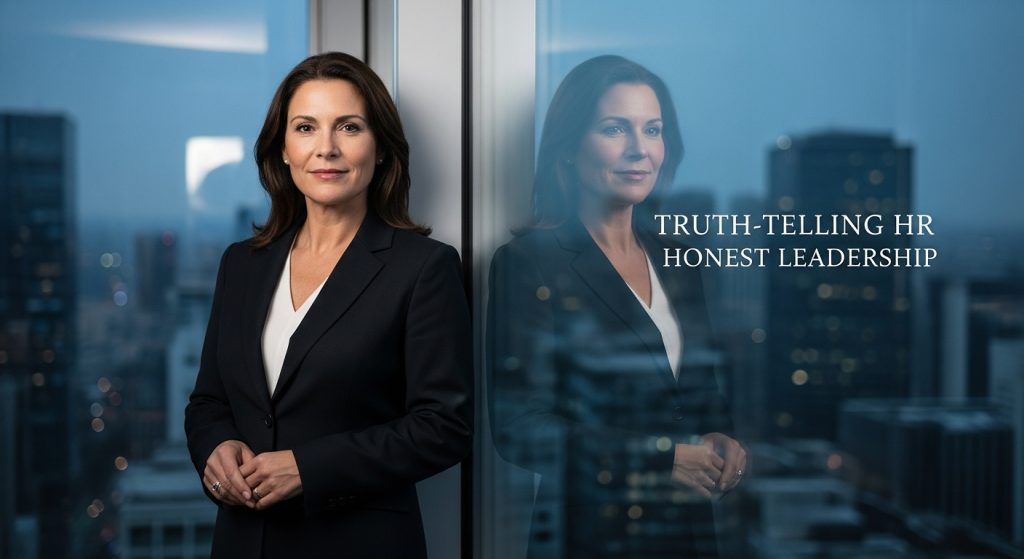
One of the most underestimated responsibilities of HR is truth-telling. Modern HR leadership requires the courage to speak the truth, even when the truth is uncomfortable. Whether it involves performance conversations, setting expectations, addressing behaviors, or communicating organizational change, honesty is a form of respect. Employees would rather hear a difficult truth delivered with fairness than remain in uncertainty because someone avoided the conversation. Truth builds trust, and trust builds culture. In the workplace, trust becomes one of the most powerful currencies. When employees trust HR, they speak up. They stay. They engage. They give their best. But trust cannot be demanded; it must be earned. And HR earns it through honesty delivered with empathy, consistency, and respect.
The Role of HR Has Shifted From Process to People
The role of HR has shifted significantly from process to people. The modern HR leader is far more than an administrator. HR today is a strategic partner, a culture shaper, a change influencer, a developer of leaders, and a supporter of organizational resilience. The workplace is evolving, and the expectations placed on HR are evolving with it. Employees look to HR not only for solutions but also for guidance, clarity, and genuine understanding. Organizations thrive when HR leads with intention, not reaction; when HR functions as a strategic thinker, not just a compliance team; and when HR remains human in every decision, not mechanical.

How Workplace Culture is built
Culture is often spoken about as though it exists in documents or meetings, but culture is built in everyday interactions. It shows up in how leaders greet their teams, in how new employees are welcomed, in how feedback is delivered, and in whether people feel safe to speak openly. Culture becomes visible in the way HR responds during hard moments, in the way people are treated during transitions, and in the sense of fairness employees feel when they approach HR for help and because HR interacts with every layer of the organization, HR becomes one of the most significant carriers of culture, whether intentionally or unintentionally. An HR leader who listens creates a culture of openness. One who communicates clearly builds a culture of trust. One who treats people fairly nurtures a culture of respect. One who is present fosters a culture of support. And one who is human, builds a culture where employees feel safe enough to be human too.
People are no longer just resources
As organizations realize more deeply that people are not just resources but the very reason the organization exists, HR’s work becomes more crucial than ever. When people feel supported, they grow. When they grow, teams become stronger. When teams become stronger, organizations become more resilient. The future of work is human-centered, and HR is the engine that drives this transformation. Companies may invest heavily in technology, systems, and data, but none of these will deliver their full value without employees who feel valued and respected.
So Dear HR, your influence is bigger than you think. You may not always sit at the front of the stage or make the loudest decisions, but you shape experiences in every corner of the organization. You shape behavior, trust, growth, and belonging. You shape how people experience both the best and hardest moments of their careers. You shape the culture that determines whether people give their best or quietly check out. The real measure of HR is not in the number of policies implemented or the number of documents processed, but in the number of lives positively impacted.
And that impact begins with one simple principle: treat people well because when people feel valued, they rise and when people rise, the organization rises with them.

Thursdays are always my absolute favorite because I get to share my thoughts with you. As always, feel free to leave your thoughts, suggestions and experiences on the topic.
Thank you for stopping by.
I look forward to Thursdays too..
Well delivered..worth reading once again